
Lessons from the Native Organizers Alliance Fellowship and the first year of the Bears Ears Youth Council
By Liam Pino
Tribal Affairs and Policy Associate
Bears Ears Inter-Tribal Coalition
In the summer of 2025, I participated in the Native Organizers Alliance’s (NOA) National Organizers Training in Federal Way, WA. Over two dozen people gathered, representing more than 20 Native-centric organizations from across the country. Together, the cohort engaged in informative sessions on community organizing, campaign strategy, and leadership development. We learned about successful grassroots campaigns from inspiring trainers and community leaders, all while enjoying the picturesque Puget Sound and views of the majestic Olympic Mountains.
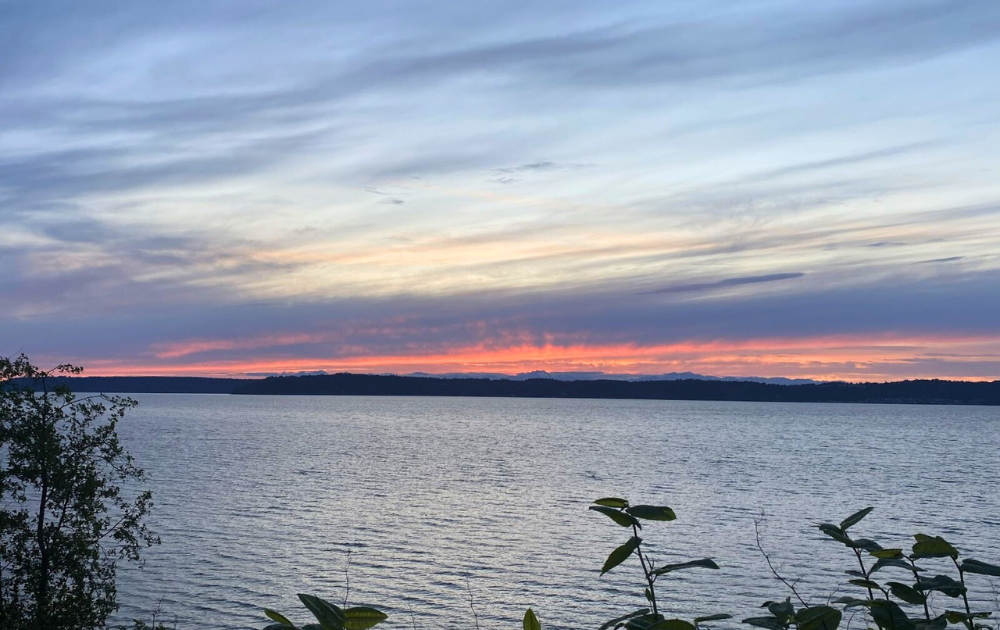
View from NOA training facility overlooking the Puget Sound and the Olympic Mountains.
Following the national training, individuals from five organizations were invited for a 12-week Fellowship Program focused on applying leadership skills to community organizing. Since one of the Coalition’s primary goals this year was to increase meaningful youth engagement, I chose to incorporate these learnings into our newly developed Bears Ears Youth Council (BEYC). Over twelve weeks, our staff worked to create an experience that allowed these young Tribal members to learn about our work, develop leadership skills, and participate directly in the land management process.
NOA’s community organizing framework provided the perfect strategy for bridging our youth programming with our ongoing work to improve site management and visitor education. Throughout this year, the Coalition has been creating interpretive materials to help visitors better understand the sacred nature of the Bears Ears region. One project we have recently undertaken involves updating signage and improving trails and public amenities at several sacred places across the Monument. By involving the BEYC, Coalition staff were able to show these young leaders the conditions on the ground and give them a platform to voice how they believe these sites should be managed and interpreted. Ultimately, this provided these future Tribal leaders with direct, hands-on experience influencing policy and resource management decisions.
Before departing, we provided the BEYC with a comprehensive curriculum covering all aspects of Bears Ears. Developed by our Land Management team, the curriculum included information about the history of the region, the collaborative management process, the roles of the Commission and Coalition, and current threats to the Monument. Most importantly, the curriculum highlighted the Tribes’ storied history of advocacy and deep connection to the land. After several virtual meetings to review these topics, the Youth Council was ready to head out for an in-field site visit to the Monument.
The first stop on our journey was Flagstaff, AZ, for a first-of-its-kind meeting of Tribal Nations representing Tribal stakeholders from three national monuments: Bears Ears, Grand Staircase-Escalante, and Baaj Nwaavjo I’tah Kukveni – Ancestral Footprints of the Grand Canyon. This event provided a space for Tribes from across the Southwest to share the deep histories of their respective monuments, discuss their long-standing advocacy work, and exchange ideas from their various stewardship programs. By sharing these experiences, the Tribes strengthened their relations and reinforced a collective vision for caring for these culturally significant lands.
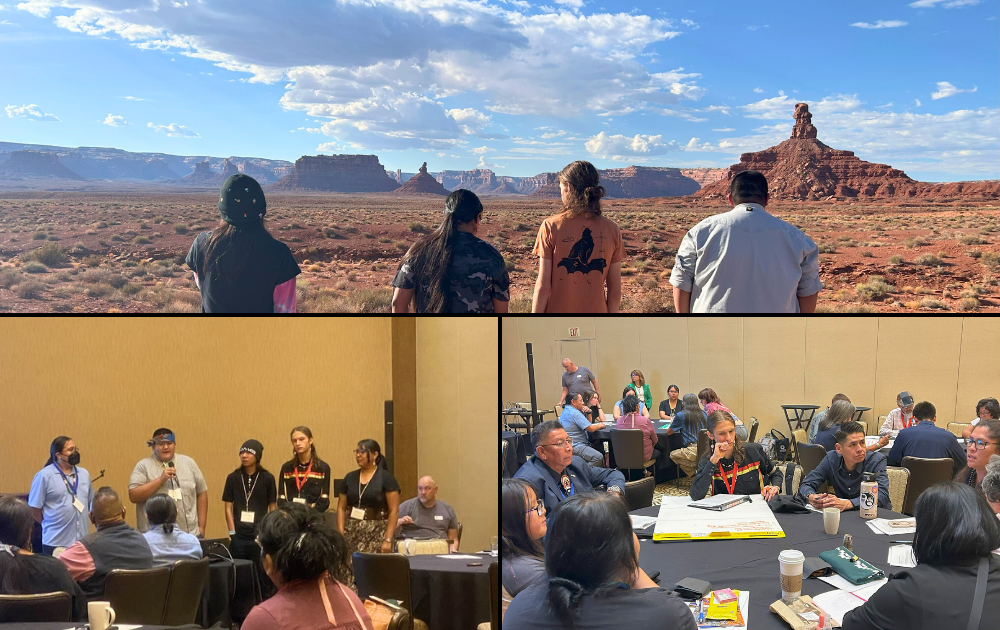
The BEYC introduce themselves at the Inter-Monument Gathering.
At the gathering, the Youth Council participated alongside their Tribal Nations’ Commissioners, learning firsthand how collaborative management unfolds from a Tribal perspective. The BEYC served as a powerful example of how Tribes and supporting organizations can develop youth programming to foster the next generation of land stewards. This was a new and profound experience for our members, and the Youth Council was incredibly grateful for the opportunity to participate in such a monumental event.
Next, Coalition staff accompanied the Youth Council to Bluff, Utah. Under the leadership of Harrenson Gorman, our Tribal Stewardship & Community Engagement Coordinator, Coalition staff directed the Youth Council on a comprehensive two-day visit to BENM. Our goal was to visit several sacred sites to see how the varying levels of development affects the protection of cultural resources and the health of the environment. By understanding what was happening on the ground, the BEYC members would be able to provide direct feedback and share their vision for how these sites should be protected and interpreted for future generations.
We first visited the recently renovated Sand Island Petroglyphs, which features a cliff face filled with petroglyphs stretching for over a mile. The site now includes protective fencing, an ADA-accessible trail, and numerous signs that explains the importance of preservation while also providing cultural context. To date, this is the most developed site within the Bears Ears National Monument and serves as a model for how sacred places can be better protected.
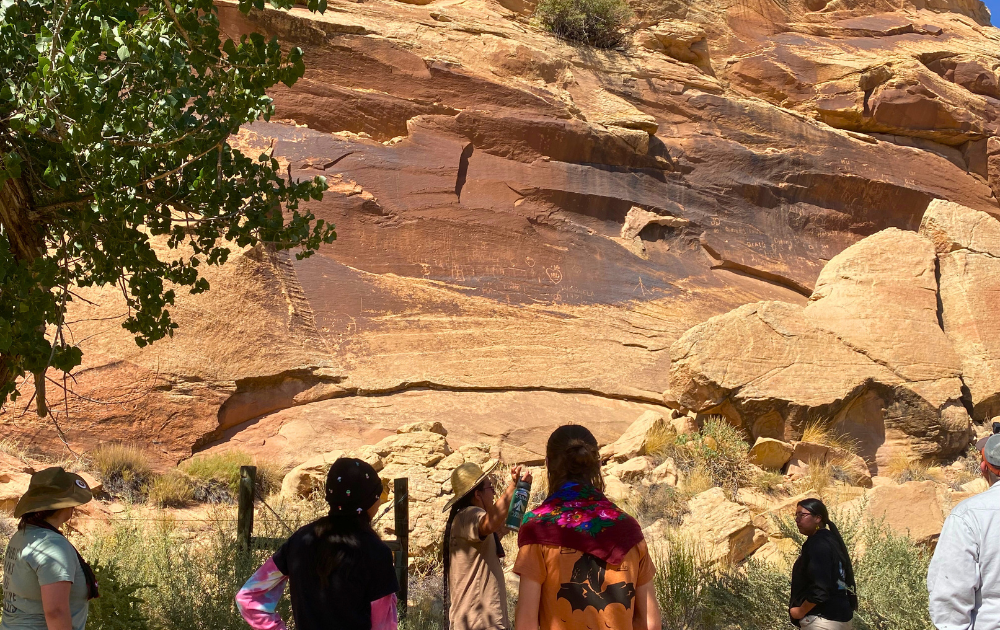
Coalition staff explain the process of protecting sacred sites at the Sand Island Petroglyphs.
Our group gathered along the banks of the San Juan River to appreciate its life-sustaining flow and enjoy a delicious meal provided by Twin Rocks Cafe. After lunch, we made the final stop of the day at one of the most visited sites in the Monument, known as House on Fire. Although extremely popular, the existing signage and trail development are lackluster. At the start of the trail, there is only a worn sign with tattered papers that offers very little guidance. There are no regulations explaining how to visit respectfully, nor is there information regarding the site’s cultural significance. Recognizing these gaps, I saw this as a perfect opportunity for the Youth Council to provide their input on how new signage could be improved. The members reviewed the area and suggested incorporating the seals of the five Tribal nations, a quote from Tribal leaders of the Bears Ears Commission, a satellite map of the trail, and a QR code to allow visitors to access more resources online.
As we followed the wash bed trail to the site, our Cultural Resources Coordinator, Jenny Rosas, identified various plant species and the local nighttime wildlife. She discussed how the Coalition catalogs the native flora and fauna to better protect these invaluable resources. Staff also explained the history of the area and how the name House on Fire is a bit of a misnomer; the site is actually an ancient Pueblo granary. In the daytime, the sun reflects against the patterned rocks to make it look like it is aflame. Although the sun had quickly set before we reached the site, the profound resilience of the historic structure left a deep impression on the group. We sat in silence for a moment, enjoying the rhythmic chirping of the crickets and the unparalleled view of the star-filled sky. After sharing a few stories and making offerings, we made our way back.
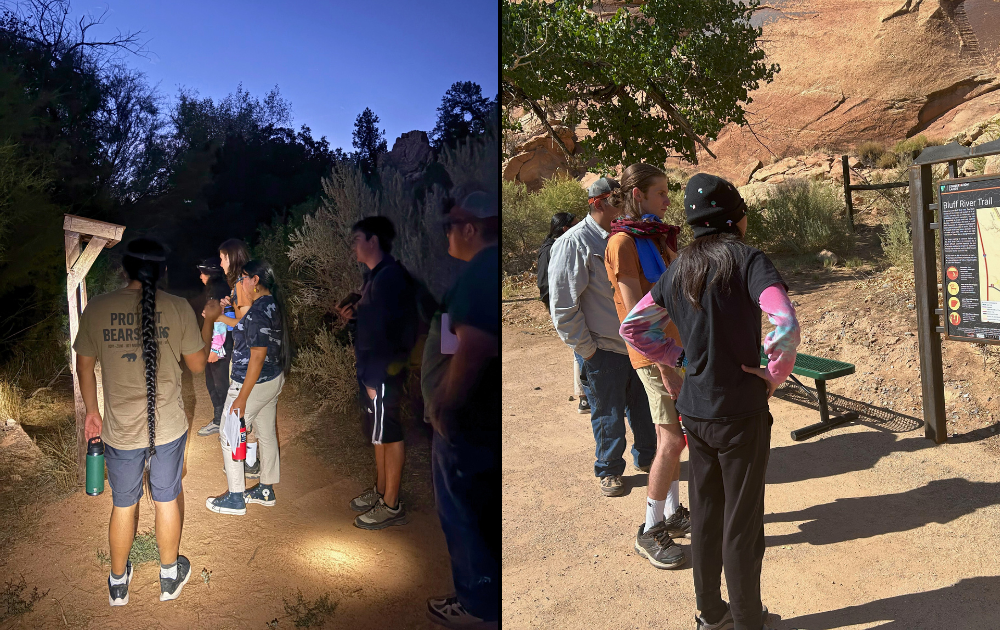
The BEYC reviews the existing sign at the House on Fire site (left) and the Bluff River Trail (right).
After a long day of exploration, we set up camp at the Sand Island campground and enjoyed a meal together. We discussed the day’s highlights and what each participant took away from the experience. Following our reflections, we ended the night with a spirited game of Uno that lasted late into the evening.
The following morning, we set out on the final leg of our journey. During our initial virtual meetings, the Youth Council had expressed a strong interest in two specific areas: geology and fire management. To dive into geology, we headed to the Valley of the Gods, where staff explained the ancient processes that shaped the vast landscape of sandstone buttes and mesas. While exploring, the group discovered an illegal rock fire pit at a nearby campsite. Beyond damaging the environment through rock displacement, these pits violate the recently finalized Bears Ears Resource Management Plan, which requires metal fire pans throughout the Monument. The presence of the pit was even more concerning given the active fire ban during the dry summer season. The group chose to disassemble the pits and return the rocks to the landscape to discourage future illegal use. It served as a powerful lesson for our young leaders on how seemingly small actions can lead to significant environmental harm.
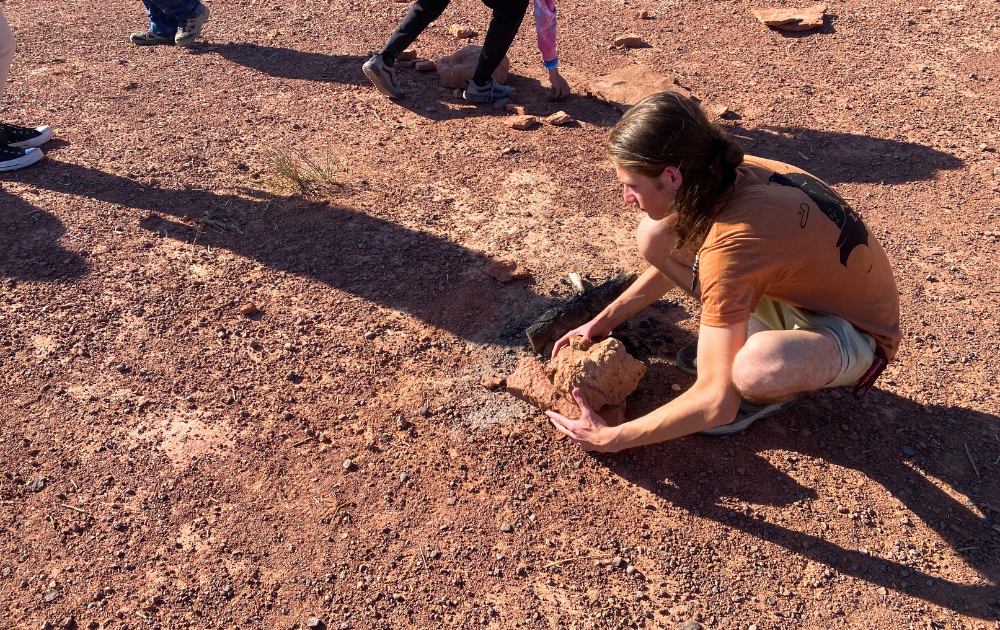
The BEYC dismantles an illegal fire pit in the Valley of the Gods.
We continued through the formations of the Valley of the Gods and began the climb up the Moki Dugway, a steep, three-mile road that winds into the higher elevations of Bears Ears. From the overlook, we had a panoramic view of the Monument while staff continued the discussion on the region’s unique geological history.
The Youth Council also wanted to understand fire management, a critical issue given the ever-present threat of wildfires within the BENM and across the Southwest. Although fire management is not something the Coalition staff deals with on a regular basis, we coordinated a meeting with the US Forest Service’s Fire Management Team to provide an overview of their efforts. They took us into the Monument to observe a wood thinning project and shared details about their wood harvesting program. Through this initiative, wood cleared to mitigate wildfire damage is collected and redistributed as fuel for local community members, many of whom are Tribal citizens who depend on it. We were deeply grateful to the Forest Service team for sharing their expertise and for their dedicated work in protecting the Bears Ears region.
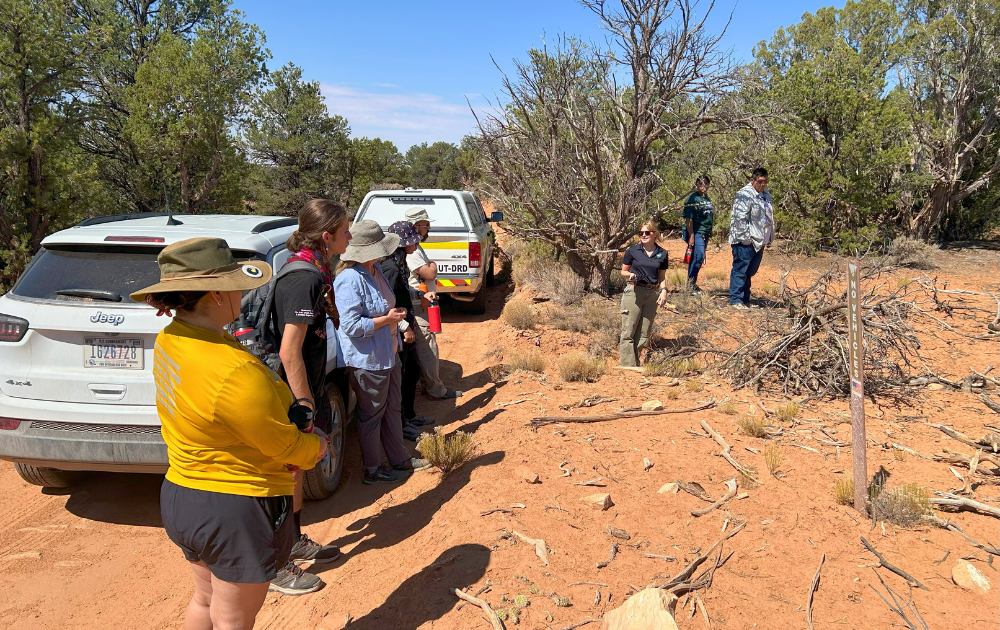
The USFS Fire Management team discusses a wood thinning project within BENM.
Following the presentation, we made one final stop at the Wolfman Panel, another significant petroglyph site. This visit highlighted the stark differences in how sacred sites are managed throughout the Monument. At this location, there is no protective fencing or defined trail, which has led to a network of social trails created by curious visitors. Staff explained to the Youth Council that these informal paths damage the sensitive biological crust that is vital for retaining moisture and supporting desert plant life.
To reach the panel, we descended into the Butler Wash canyon in the scorching summer heat. Although it was a beautiful area, it was a distressing sight to see the petroglyphs permanently defaced by vandals who shot the rock face. This led to a conversation within the group about the complexities of site development. While fences and signs provide necessary context and protection, they also draw more attention to these locations, which can lead to increased visitation and the risk of further damage. Moreover, some feel that too much infrastructure detracts from the natural landscape where these sites were meant to exist. On the other hand, leaving a site undeveloped often leads to accidental harm from visitors who do not know the protocols for respectful visitation. Ultimately, the group agreed that some level of development is essential, and the Coalition remains dedicated to finding creative solutions to protect these sacred places.
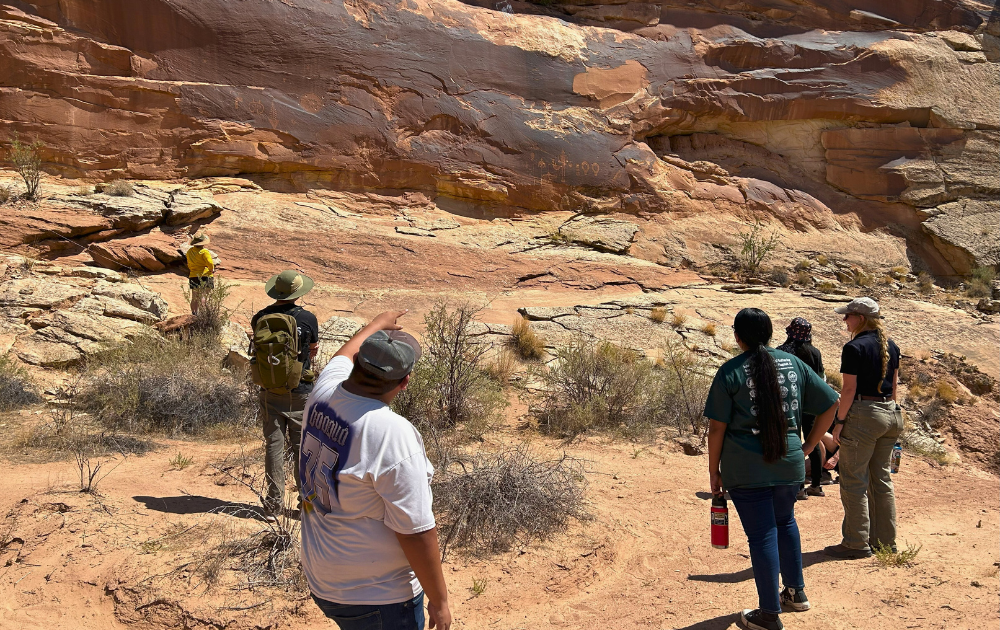
The BEYC observes vandalism damage to the the Wolfman Panel.
That evening, the group gathered for a final dinner to reflect on the trip. We discussed what went well, shared ideas for improvement, and began planning for the next Bears Ears Youth Council cohort. After saying our goodbyes, we all began our journeys back home.
In the weeks following our trip, Coalition staff collaborated with the Bureau of Land Management to design new signage for the House on Fire site. These signs incorporate the suggestions provided by both the Youth Council and the Tribal Leaders of the Bears Ears Commission. This new signage is scheduled for installation in 2026, alongside several other displays throughout the Monument designed to educate visitors on historical context and encourage respectful visitation.
The BEYC continues to meet monthly via Zoom to stay informed on current developments within the Monument, learn about emerging challenges, and offer their feedback. Beyond these meetings, members have also engaged in community events and developed new outreach initiatives to educate their own communities about the significance of Bears Ears and the vital work of protecting Tribal homelands.
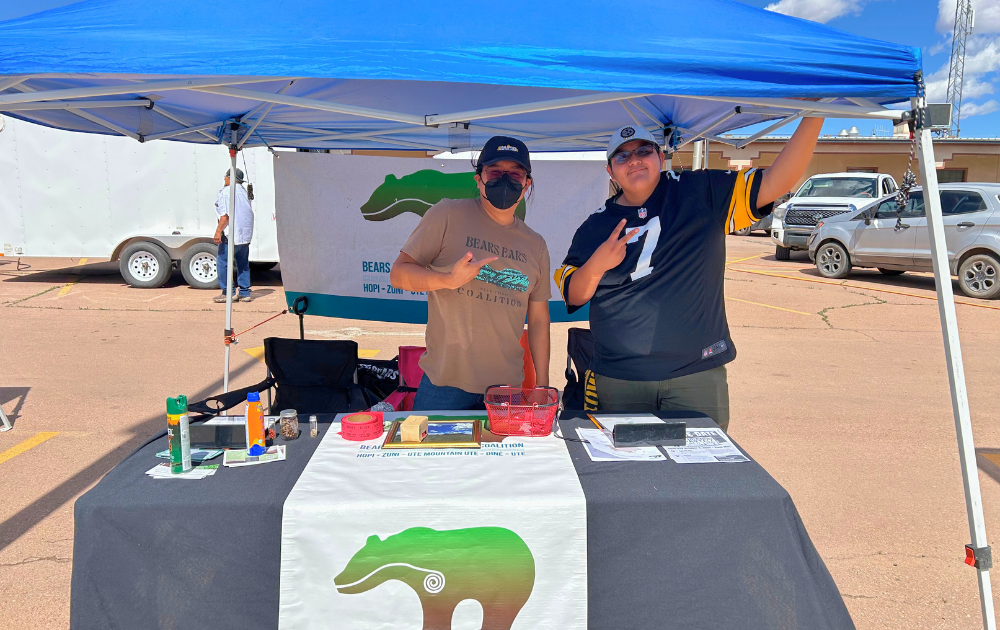
Pueblo of Zuni BEYC representative Arick Booqua tabling with the Coalition at the Zuni Fair.
At the conclusion of the 12-week NOA Fellowship, our cohort virtually gathered one last time to share our experiences and accomplishments. The final presentations highlighted the incredible strides made by each organization to advance their causes and strengthen Tribal communities nationwide. Ultimately, the NOA Fellowship provided an invaluable opportunity to build the Coalition’s organizing capacity and launch a foundational program for the next generation of land stewards.

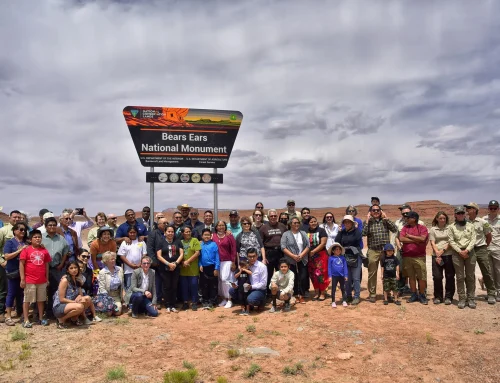
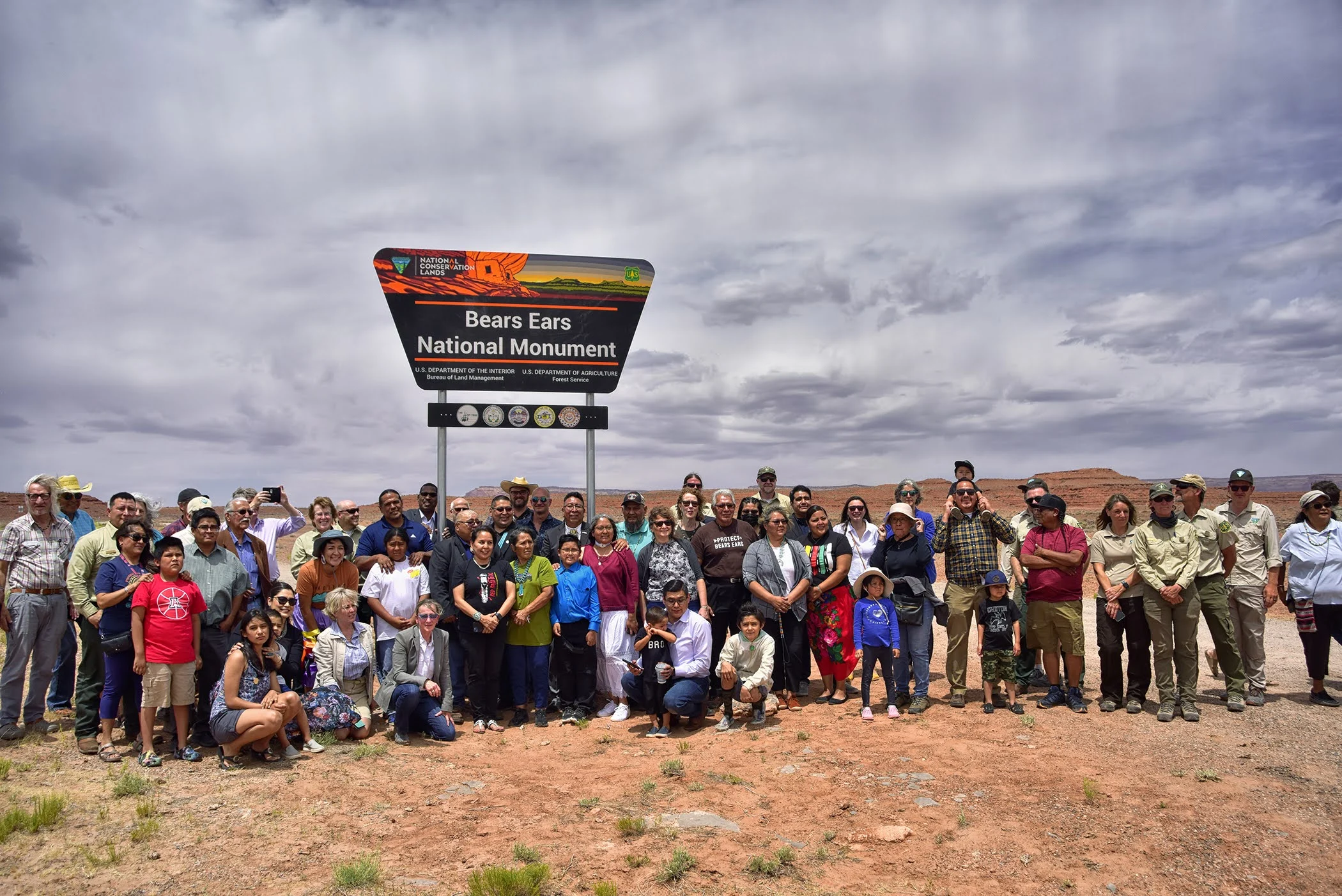
The BEYC and BEITC staff at the conclusion of a BENM Site Visit.
We look forward to hosting the Bears Ears Youth Council for years to come and encourage young people from our member Tribes to apply. If you are interested in joining the Youth Council, please visit our BEYC page on our website.